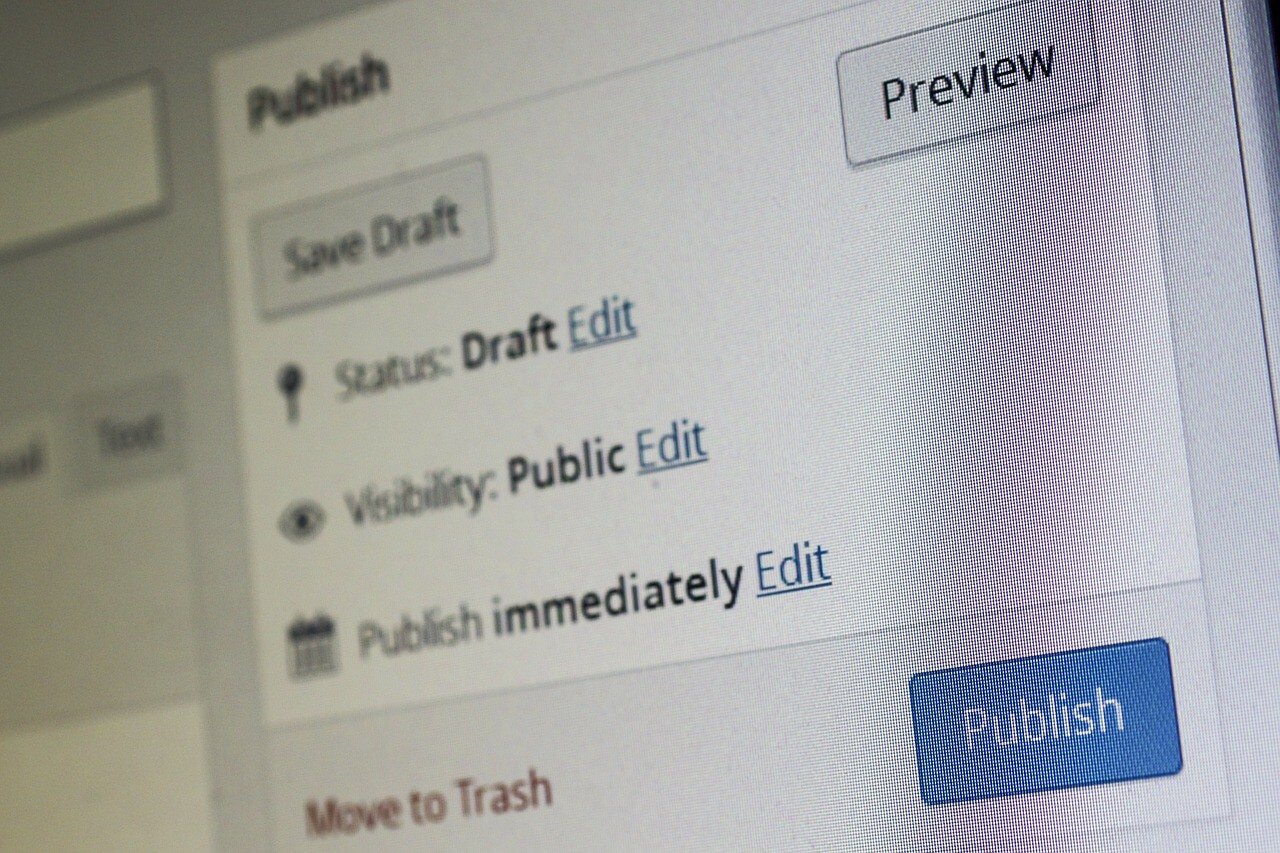
The #1 Reason Website Launches Get Delayed (and How to Avoid It)

 https://www.linkedin.com/company/rem-web-solutions/
 https://www.facebook.com/remwebsolutions
 https://www.instagram.com/remwebsolutions/

You've signed the contract. The kickoff call went beautifully. Your web designer is fired up, your developer has the project on the board, and the website launch timeline is locked in. Everything looks perfect on paper.
And then… it stalls.
Not because the team dropped the ball. Not because the technology failed. Not because of some catastrophic budget issues. The project quietly grinds to a halt because the business (your client), the very person who hired your team and who is the most excited about the new website, hasn't sent over the logo files yet.
This happens more often than most agencies will admit out loud, and it's time we talked about it honestly.
The Real Reason Your Website Is Running Late
There’s something people in web design domain don’t always say out loud. Most website projects don’t get delayed because of technical problems. They get delayed because of slow client communication.
It's not scope creep (though that's a very real issue too which we have covered in depth in our post How Scope Creep Can Derail Your Website Launch). Not technical bugs. Not poor project management.
It's the waiting. Waiting for the right images. Waiting for the approved copy. Waiting for someone to confirm which phone number goes in the header. Waiting for a stakeholder to review the homepage mockup. Waiting, waiting, and waiting.
If you're a business owner currently working with a web design agency on a new website, this post is written with the deepest respect for you, because you're busy, your plate is full, and you hired professionals so you wouldn't have to think about every little detail. That's completely understandable.
But here's the thing. The small decisions that only you can make are not actually small to the project.
What "Just a Few Days" Actually Costs You
Let's walk through a real-world scenario that plays out in website development projects.
A small business owner in Toronto hires an agency to build a new e-commerce website. The website project timeline is eight weeks. Everybody is excited.
Week one goes great. Strategy is locked in, the sitemap is done, and the wireframes are approved.
Week two: The design team needs the brand assets. Logo files, brand colours, fonts. The owner says, "I'll grab those from our old designer." That takes four days.
Week three: The design team needs the product photos. "Oh, I'll have my employee take some this weekend." That takes nine days.
Week four: The designer sends over the homepage mockup for feedback. No response for six days. When feedback comes, it's one sentence: "Can we maybe make it feel a bit more modern?"
By week five, the project is already two weeks behind, and nothing went wrong. Nobody made a mistake. The team is still professional, the tools are all working. But the website delivery date has quietly shifted from a promise to a wish.
This is the most common story in web design project management, and the most preventable.
Why Client Input Is the Heartbeat of Your Website
Here’s something your web design team might not say directly to you, but your website cannot be built without you.
That sounds obvious, but many business owners underestimate just how deeply their participation is woven into every stage of website development. Here's a non-exhaustive list of what a typical project needs from you:
Brand assets: logo files (preferably vector formats), brand colour hex codes, typography guidelines
Written content: homepage copy, about page, service descriptions, calls to action, taglines
Photography and imagery: professional photos of your team, products, services, or physical location
Business information: your address, phone number, email, service areas, hours of operation
Third-party credentials: access to your domain registrar, Google Analytics, existing hosting, social media accounts
Feedback and approvals: sign-off on wireframes, design mockups, staging website functionality
Legal content: privacy policy, terms and conditions, disclaimers relevant to your industry
Each of these items is a gate. The project can't move past it until it's open. And only you hold the key.
The Hidden Cost Nobody Talks About
There's a financial reality buried inside website project delays that rarely gets discussed, and that is, delays cost money.
Not always in direct billing, but many agencies absorb the administrative cost of a delayed project in silence to preserve the relationship. But the real cost shows up in:
Lost revenue: Every week your new website isn't live is a week your competitors are capturing the traffic you should be getting. In local SEO terms, that's compounding. Every day your old, slow, outdated website is live, you're losing search engine ranking opportunities to businesses with a better user experience, faster page load speed, and more current on-page SEO. (If you're wondering what specific changes make the biggest difference once your website is live, check out our post on Simple Website Changes that Help Turn Visitors into Leads.)
Momentum loss: Creative projects run on energy. When a team goes cold on a project while waiting for content, re-engagement takes real effort. The enthusiasm for week one is not the same as the slog of week seven.
Scheduling conflicts: Web design agencies plan their workload in advance. When your project drags, it bumps up against the next client's start date. That can mean your developer isn't fully available when you finally do send everything over.
Relationship strain: Even the most patient agency has a limit. Delays create additional follow-up emails, check-ins, and in some cases, project scope of disputes that could have been avoided entirely.
This Isn't About Blame, It's About Partnership
Let's be crystal clear about something: this post is not about pointing fingers at clients.
Running a business is hard. You're managing staff, chasing invoices, dealing with suppliers, serving customers, and somewhere in the middle of all that, you're supposed to find professional headshots and write a 400-word "About Us" page that perfectly captures your brand's voice. Of course, that feels impossible.
The point isn't to make you feel guilty. The point is to help you understand that timely client communication isn't a "nice to have" in a website design project; it's the backbone.
Think of it as your kitchen renovation. You hire a contractor to redo your kitchen. They're skilled, experienced, and ready to go. But if you haven't picked up your cabinet hardware, they can't finish the job. It doesn't matter how good they are. The project is waiting for you.
Your website works the same way.
Practical Steps to Keep Your Website Project on Track
1. Treat Your Content Deadline Like a Real Deadline
When your agency gives you a content submission deadline, block it in your calendar the same way you'd block a client meeting or a tax filing date. This is not a soft suggestion; it will determine whether your website goes live on time.
2. Assign an Internal Point Person
If you're the CEO or business owner, don't try to manage all the back-and-forth yourself. Designate one person on your team, be it a marketing coordinator, an office manager, or a trusted employee to be the single point of contact for the web project. This one change alone can cut website project communication delays in half.
3. Gather Your Assets Before the Project Starts
Before your kickoff call, do a quick audit of what you already have, like your logo files, brand guidelines, professional photos, and existing written content. The more you can hand over at the start, the smoother the first few weeks will go. Your agency should provide you with a website content checklist, and if they don't, ask for one.
4. Set a 48-Hour Feedback Rule for Yourself
When your designer sends you a mockup or a staging link, commit to a 48-hour turnaround on feedback. You don't need a comprehensive critique; a few bullet points of honest reaction are enough to keep the wheels turning. Silence, even if it means "I haven't had a chance to look yet," is the real project killer.
5. Batch Your Feedback
When you do provide feedback, try to consolidate it into one round rather than a trickle of small emails spread over several days. "I have a few more changes" sent three days after the first round of feedback is one of the most common sources of website revision delays in the industry. Review holistically, give all your notes at once, and your designer will love you for it.
6. Trust the Process (and the Professionals)
Part of the reason clients delay feedback is anxiety: What if I approve the wrong thing? What if I miss something? This is where trusting your agency becomes important. They've done this before. They know how to guide you. You don't need to have a design degree to give useful feedback. "I love this" or "something feels off about the layout on this page" is genuinely helpful.
What the Best Client-Agency Relationships Look Like
In web design and development, the projects that launch on time, stay on budget, and run smoothly usually have one thing in common: a client who is involved.
Not someone who micromanages every detail. Not someone who is impossible to please. But someone who replies within a day or two, sends content on time, raises questions early, and trusts the agency to do the job they were hired for.
These are the projects teams genuinely enjoy working on. Collaboration feels easy. Feedback comes at the right time. The final website is stronger because decisions are made quickly and clearly. The launch happens as planned, and the business starts seeing the benefits (better SEO performance, higher conversion rates, and a mobile-friendly user experience).
This kind of outcome is possible for any business. It simply requires showing up as a partner, not just a client.
A Quick Word on AI-Powered Website Tools
A common question in website development today is whether AI can just generate all the content and speed things up.
The short answer is yes and no.
AI tools are very helpful for drafting copy, suggesting page structure, or creating placeholder text while the final content is being prepared. They can save time and support the process.
But AI cannot provide your actual logo. It cannot take real photos of your team or products. It cannot decide which services matter most to your business or define how your brand should feel.
AI-assisted web development is growing, and it is useful. However, it does not remove the need for client involvement. It simply changes how that involvement looks. The human in the loop is still essential.
The Bottom Line
Your website is one of the most important marketing investments you will make. It is your digital storefront, your first impression, and your around-the-clock sales representative. When it is built on a strong custom foundation, it also carries a real SEO advantage over template websites. (A detailed post on Why Custom Websites Have an SEO Advantage.)
Launching on time is not just about meeting a deadline. It is about staying competitive. Every week of delay is a week without organic traffic, conversions, or strong visibility in search results.
The most powerful way to keep your project on track is simple. Stay responsive.
Reply to the email. Send the photos. Approve the mockup. Confirm the copy.
These small actions only take minutes, but they make the difference between a smooth launch and months of delay.
At REM Web Solutions, we've been building websites for Canadian businesses for over 20 years, and we've seen firsthand how a responsive, engaged client makes all the difference between a launch that happens on time and one that quietly slips off the calendar. Our process is built around clear communication, realistic timelines, and keeping you informed at every stage, so nothing falls through the cracks on either side.
Your web team is ready. The question is: are you?
Enjoy this? Subscribe to the REM Web Solutions monthly newsletter → No fluff, no spam, just practical web design, and digital marketing insights built for businesses, delivered straight to your inbox every month.
Frequently Asked Questions (FAQs)