Are AI Images Helping or Hurting Your Brand?

 https://www.linkedin.com/company/rem-web-solutions/
 https://www.facebook.com/remwebsolutions
 https://www.instagram.com/remwebsolutions/
I still remember the days when finding the perfect stock photo felt like a never-ending scavenger hunt. You’d scroll through dozens of pages, tweak search terms, and still end up with something almost right. It was tedious, time-consuming, and soul-draining (to be honest).
Fast-forward to now, and things couldn’t be more different. Type a simple sentence into an AI image generator, and poof! A custom image appears in seconds. It feels like magic.
For busy marketers, content creators, and business owners, this tool can feel like a dream come true. But here’s the question I can’t ignore: Is this new power helping brands, or could it be quietly doing more harm than good?
This isn’t just a big, abstract question; it’s something that affects how your audience sees you, how trustworthy your brand feels to them, and even your legal safety.
So, let’s take a closer look at what AI images really mean for your brand and uncover the truth behind the hype.
Why AI Images Are So Tempting to Use
They are powerful and address real pain points.
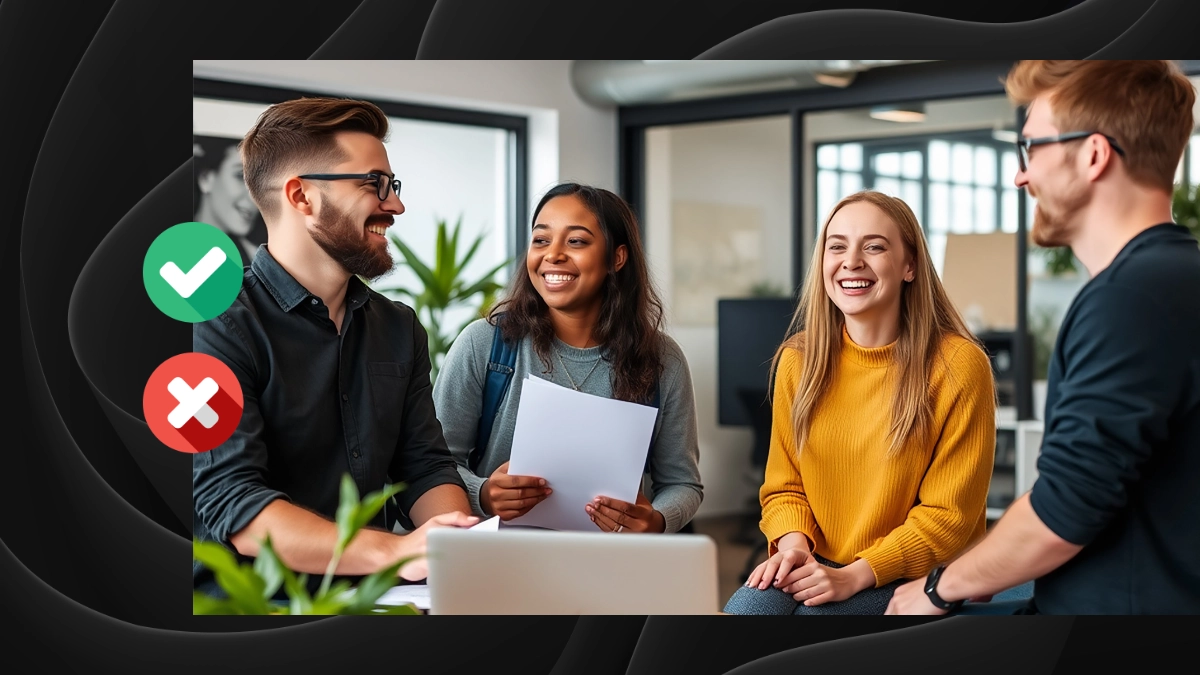
- Speed and Volume: Suppose you need 10 variations of a "happy diverse team in a modern office" for a presentation deck; an AI can generate them in minutes, not the hours you’d spend sifting through stock photo websites.
- Cost-Effectiveness: While the best AI tools require a subscription, that cost is often lower than a recurring bill from a premium stock photo agency or hiring a photographer and models for a custom shoot.
- Infinite Customization: You are no longer limited to what photographers have shot. You can describe a "vintage typewriter on a mossy log in an enchanted forest with fairylights," and the AI will attempt to create it. This creative control is intoxicating.
With perks like these, it’s no wonder that tools like Midjourney, DALL-E, and Stable Diffusion are seeing explosive growth. But this is where we need to move from the "wow" factor to the "what now?" factor.
Why Are AI Images So Bad (Even When They're Good)?
Have you ever looked at these AI-generated images carefully? These images are almost perfect, but something is… off. A hand with six fingers. Ears that are slightly misaligned. A necktie that seems to melt into a shirt. This is one of the biggest reasons not to use AI uncritically.
The question, "why are AI images so bad?" has a multi-layered answer:
They Lack True Intent: AI doesn’t know what things are. It doesn’t understand what a “hand” is; it just recognizes that in millions of training images, shapes labelled “hand” usually have five fingers. It’s making guesses based on patterns, not true comprehension. That’s why AI-generated images often contain strange or impossible details that a real artist or photographer would never create.
The Homogenization of Style: Since most AI models are trained on the same type of datasets, they tend to produce visuals that look alike. This has created a recognizable “AI look”: overly polished, brightly coloured, and lacking real personality. When your audience starts to recognize this look, your brand starts to look more generic, not unique.
The "Soulless" Factor: A great photo captures real emotion. A photographer’s choice of light, timing, and feeling. A hand-drawn illustration carries the artist’s unique touch and perspective. AI images, on the other hand, lack that human spark. They’re built from patterns, not passion. And for a brand that wants to connect with people on an emotional level, that absence can make a big difference.
An image might look perfect 98% of the time, but that tiny 2% error is often what catches the viewer’s eye, breaking their focus and making your brand seem careless and ridiculous.
Can I Use AI-Generated Images on My Website? (The SEO Angle)
According to Google Search advocate John Mueller, using AI-generated images doesn’t directly harm your SEO, but there are several other factors you should carefully consider before using them.
To be clear, Google isn’t scanning your images to detect whether they’re made by AI and then lowering your rankings. What matters most are the usual things, like relevance, user experience, and page speed. From a technical SEO standpoint, a properly optimized, fast-loading AI image is treated the same as a stock photo.
But here’s the catch, and it’s an important one!
Many people stop reading after that first part, and that’s where problems begin. While AI images don’t trigger an algorithmic penalty, they can still hurt your user experience, which Google cares deeply about.
If your AI images are:
Odd or unsettling, causing users to leave your page quickly;
Irrelevant or misleading, breaking the promise of your content; or
So generic that they make your content feel cheap or low-quality...
…then your SEO performance will drop.
Why? Because poor user experience leads to high bounce rates, low engagement, and fewer shares, all of which send negative quality signals to Google. So, while AI images themselves aren’t punished, the way they make users feel absolutely can impact your rankings.
Reasons Not to Use AI That Go Beyond SEO
The SEO angle is just the surface. The real reasons to think twice before using AI-generated images for your brand go much deeper.
The Brand Authenticity Problem: In this online world, which is overflowing with artificial content, authenticity should be your strongest competitive advantage. People want to connect with real humans, not with faceless, machine-made imagery. When your visuals look artificial, your brand can be seen as robotic and disconnected. Ask yourself: Are you a business made of real people helping real customers, or just another content factory? Your visuals speak volumes about your brand’s values.
The Legal Grey Zone: When you ask, “Can I use AI-generated images on my website?” The legal answer isn’t simple, and that’s very risky for any serious business.
Copyright Issues: In many regions, including the U.S., an AI-generated image cannot be copyrighted because it lacks human authorship. This means your custom AI-designed logo might not be legally protected. Plus, many AI tools are trained on copyrighted material without permission, which is already sparking lawsuits. Using these images could drag you into uncertain legal territory.
Trademark & Personality Rights: AI tools can sometimes create images that accidentally include real logos, products, or even faces resembling public figures. Using such images commercially could result in trademark or likeness rights violations.
The Ethical Concern: Beyond legality lies the ethical side of the story. Most AI models are trained in the work of real artists, illustrators, and photographers, and often without their consent or compensation. By using these tools, brands may be unintentionally supporting a system that exploits creative professionals. For companies that pride themselves on fair and ethical practices, this creates a clear moral conflict.
Stock Media vs. AI-Generated Media: Let’s compare the two most common options.
- Traditional Stock Photos
- Pros: Clear licensing, real people, professional quality
- Cons: Can be pricey, sometimes generic or overused
- AI-Generated Media
- Pros: Affordable, customizable, and fast
- Cons: Legal uncertainty, ethical concerns, and that “soulless” look
But there’s also a third, smarter option: A Balanced Mix. Use authentic, less-generic stock photos, and whenever possible, invest in original photography or illustrations. These genuine visuals may cost more upfront, but they pay off in stronger trust, deeper engagement, and a brand identity that truly stands out.
When Can AI Images Actually Help?
AI-generated images aren’t always bad; they can be useful when used the right way. Here are a few situations where AI can actually make your work easier and better:
- Conceptual or Abstract Images: You need a visual for ideas like “digital transformation” or “cybersecurity threats”? These are hard and expensive to photograph or draw. AI can quickly create creative, abstract visuals that would normally take a lot of time or money to get from an artist.
- Brainstorming and Mock-ups: AI is great for getting ideas flowing. You can use it to create quick mood boards, sample designs, or concept art to help plan a project. Later, a human designer can turn those ideas into polished final visuals.
- Backgrounds and Textures: Need subtle patterns or textured backgrounds for your website or social posts? AI can make those fast and uniquely yours, and because they’re simple and non-distracting, the risk is very low.
- Detailed Illustrations (with Human Touch): If you need a very specific style or detailed image, AI can give you a starting point. Then, a graphic designer can step in to fix small errors, adjust colours, and make sure it fits your brand perfectly. This combo saves time while keeping quality high.
In short, AI works best when it’s used as a helper, not a replacement. Keeping a human involved ensures the final image still looks professional, feels authentic, and reflects your brand’s values.
The Final Verdict: Helping or Hurting?
So, are AI images good or bad for your brand? The answer depends on how you use them.
AI images can hurt your brand if you use them as a quick, cheap replacement for real photos, especially when showing people, emotions, or real-life moments. They often look fake, feel cold, or miss that human touch. This can make your brand seem careless, untrustworthy, or out of touch.
AI can help when you use it with purpose and honesty, for example, in abstract visuals, creative concepts, or designs that don’t show real people. When used carefully, it can save time and even spark new ideas if it doesn’t replace your brand’s authenticity.
Don’t let convenience make you forget what matters: a Human Connection.
At REM Web Solutions, we believe real connection builds real brands. Our design and marketing teams focus on creating authentic, human-centered visuals that reflect your story and values. Whether it’s custom photography, thoughtful design, or responsible AI integration, we help your brand look and feel genuinely yours.
Invest in original photography. Commission illustrations from talented artists. Curate stock photos with a discerning eye. And if you do use AI, do so sparingly, smartly, and always with a human final say.
Your brand and your audience will thank you for it.
FAQs: AI Images and Brand Strategy
Q: Why are AI images so bad sometimes?
A: AI struggles to replicate the authentic detail and emotion of real photos, especially in complex scenes or portraits. Glitches or repetitive designs are common.
Q: Can I use AI-generated images on my website?
A: Yes, but best for decoration, experiments, or where authenticity isn’t vital. Don’t rely on them for product, people, or main branding visuals; review for quality first.
Q: What are the risks of using AI images?
A: They include loss of brand authenticity, repetition, glitches, negative user experience, and possible copyright concerns if AI outputs are based on unpublished or protected images.
Q: Are AI images bad for SEO?
A: Not directly. Google’s John Mueller states AI images don’t currently hurt rankings, but overly generic visuals may compete with themselves or not engage users, hurting click-through rate and trust over time.
Q: Stock media vs generative media—which is better?
A: Stock is professional and safe but often not unique; AI is flexible and fresh but riskier and less reliable for authentic representation.